The course will start Sunday, July 5th, with Terri O´Fallon
Read More
The course will start Sunday, July 5th, with Terri O´Fallon
Read MoreCourse begins Sunday, July 12, 2026
Read MoreBeauty Changes your life will start Monday, July 6 with with Thomas Jockin
Read MoreThis five-part course invites students to embark on a journey of philosophical mythmaking as they explore how to reclaim time from linear progress, ‘see through’ the complex conditions of the present, and trace the outlines of an ‘integral’ spirituality–a spirituality that uniquely meets the challenges of this strange time between worlds..
Read MoreIntegral Theory for Idiots is for all three types. Layman Pascal will put you all in a blender together -- framing the discussion as part of the general field of developmental metatheories, liminal culture & adaptation to the new bio-informational planetary situation. This carnivalesque educational and participatory journey will be part (lively) introduction, part (dancing) critique, and part (enthusiastic) appreciation.
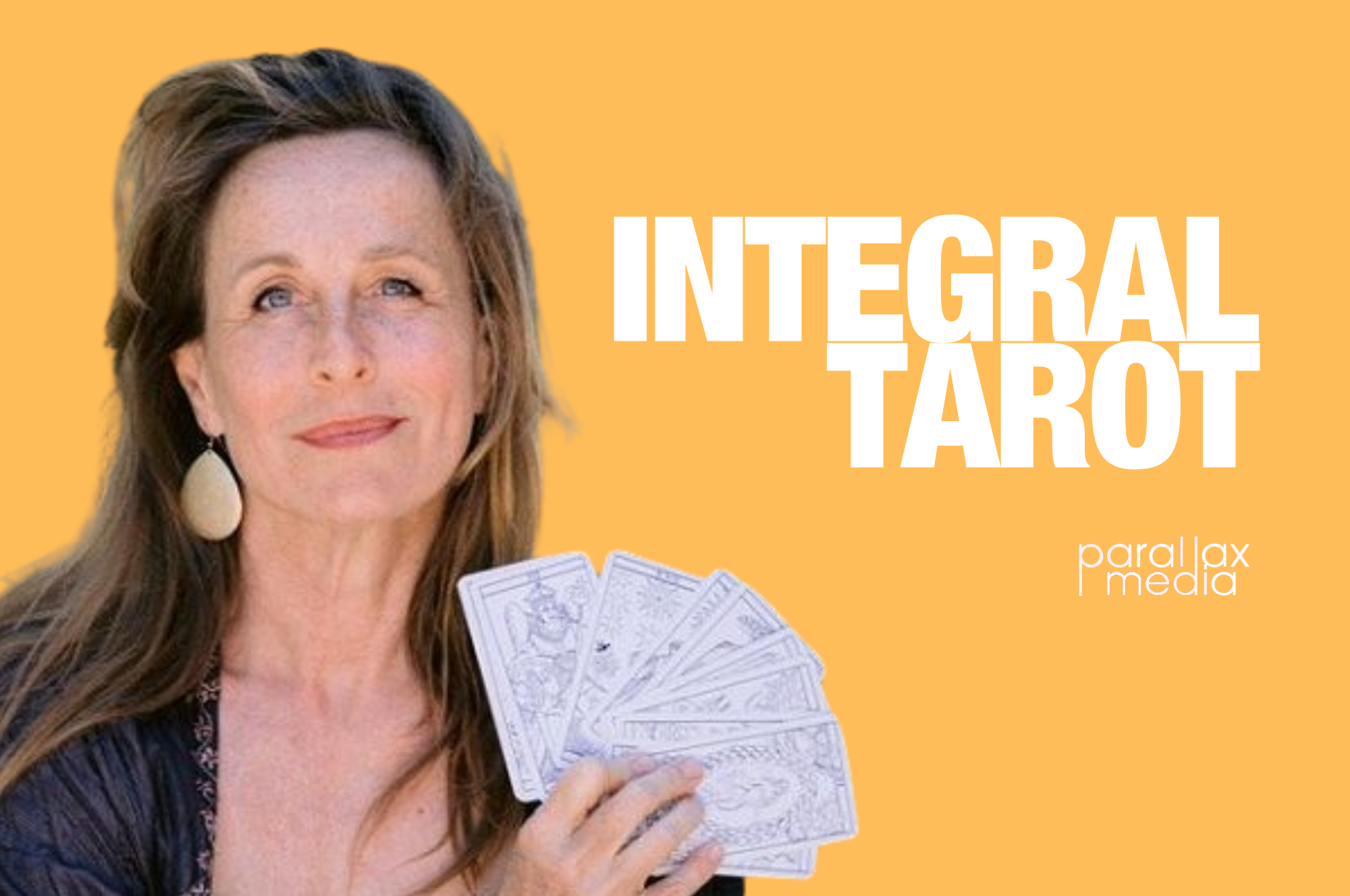
Read MoreFollowing our introductory course on the Minor Arcana, we now move into what can be called the Integral Tarot: working with the entire Tarot de Marseille as a coherent system, rather than as a set of disconnected parts.
Read MoreMany of us sense that something within the current discourse around regeneration, sustainability, and “system change” remains incomplete.
Read MoreWe knew how to write correct sentences, but fiction doesn’t live or die by correctness. No matter what we did, we couldn’t figure it out. Then, years later, we discovered Robert Butler, who taught us how to write a story. It turned out that we didn’t know what sentences in fiction were for. Most writers never learn this explicitly, but once we saw it, we couldn’t unsee it.
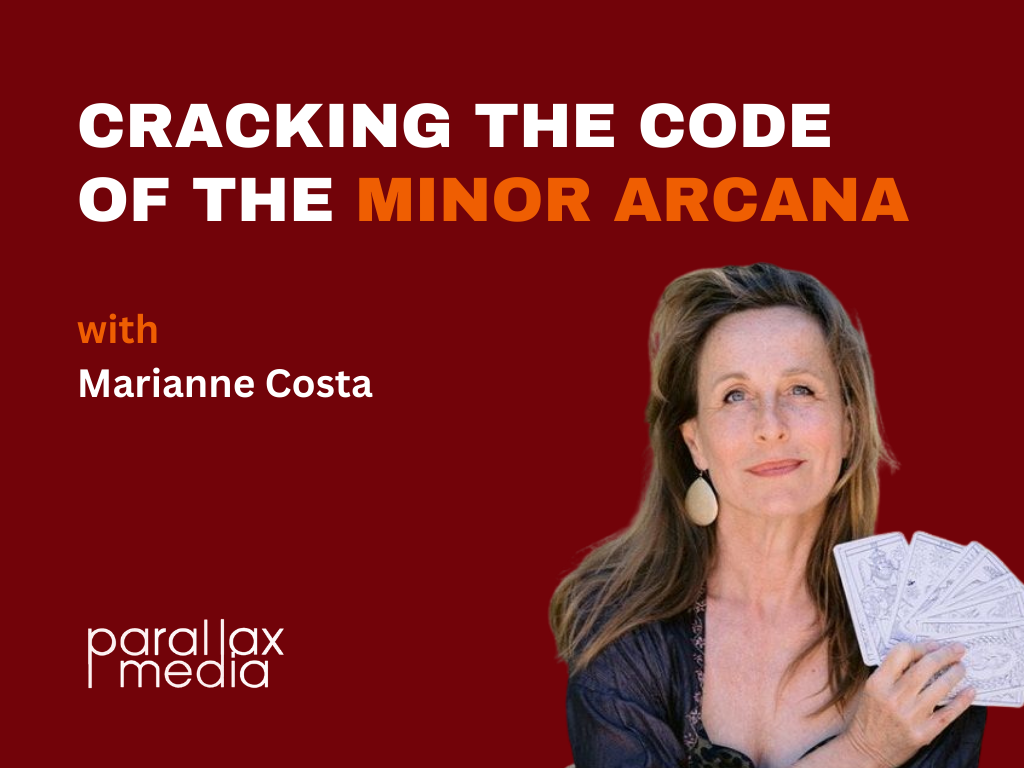
Read MoreIn this seminar, we will explore the meaning of the Minor Arcana, as well as strategies to make them our best companions for continuous learning—a veritable journey into the depths of our psyche, practical sense, intelligence, creativity, and intrinsic wisdom.
Read MoreThe profound value of the Marseille Tarot lies in its objective and humble nature: an immaterial architecture that summarizes the concrete, psychological, and spiritual structure of the human being, a point of encounter between our existential struggles and the laws of the Cosmos.
Read MoreZufism – Toward the Origin and Source of Philosophy, Religion, and Spirituality is a course that lays the groundwork for Alexander Bard’s forthcoming book on Zufism. It combines Bard’s philosophical insights with key spiritual traditions such as Zoroastrianism, Zen, and Eastern traditions like Taoism and Vajrayana along the Silk Road. Drawing from his intellectual influences, including Hegel, Nietzsche, and Deleuze, Bard’s philosophy delves into the evolving relationship between philosophy, religion, and technology.
Read MoreFinding and Living your Truth as a Woman in Business
Starting 21.2.2025 at Parallax Academia hosted by Simone Junod, Shaman
Read MoreIn this course, Gafni and Stein deepen the themes raised in First Principles and First Values. The Eye of Value is contrasted with the Eye-of-Anti-Value, and the topics of anthro-ontology, story, and value are explored in depth. Marc and Zak will engage participants in a series of dialogues at the edges of human knowledge, where there is a dance between the languages of science and the sacred, and between the lineages of ancient wisdom and our living memory of the future.
Read MoreIn this three-week journey, participants confront the wounds that shape their lives—the unique ruptures that call us from despair into wonder, from alienation into intimacy, from devastation into divinity.
Read MoreStarts November 1th 2025 - This course explores why Christ provokes the most visceral energetic reaction in history—and why, two thousand years on, His power still divides kingdoms, unmasks hearts, and calls forth a new humanity. Prepare to be turned upside down
Read MoreStarts november 13th 2025 - a deep exploration of feminine and masculine leadership in the digital age with Fanny Norlin.
Read MoreThe core inquiry of this three-week immersion is the nature of wounding and the precise stations of consciousness through which wound, desire, power, intimacy, and love unfold
Read MoreThis course serves as the third step in the larger long-term journey into the evolving landscape of your unique self, offering practices, insights, and community support to help you live your unique self in a deeper, more connected way.
Read MoreThis course serves as the third step in the larger long-term journey into the evolving landscape of your unique self, offering practices, insights, and community support to help you live your unique self in a deeper, more connected way.
Read MoreThis course serves as the second step in the larger long-term journey into the evolving landscape of your unique self, offering practices, insights, and community support to help you live your unique self in a deeper, more connected way.
Read More




![Value is Real: Why Saying This Clearly May Save Civilization [and our Souls] - (with Marc Gafni and Zak Stein)](https://images.squarespace-cdn.com/content/v1/5cf273037b405a0001103c6e/1729501344580-GPV8U13N8ZWTKKBHW3VD/Template+Squarespace+webpag+zak.png)